Drones offer a unique way to experience and photograph the Adirondack Park, but operating one comes with important legal responsibilities and ethical considerations. Before bringing a drone into the Adirondacks, it’s essential to understand where you can legally fly and how to minimize your impact on wildlife, natural resources, and other visitors.
Drone Use is NOT permitted on ADK Properties
The Adirondack Mountain Club (ADK) does not allow the launch, landing, or operation of drones on its private properties, including:
- Heart Lake Program Center
- Johns Brook Property
- The Heart Lake shoreline
- The Mount Jo trail and summit
- ADK parking areas and other ADK-managed facilities
These restrictions help protect the visitor experience, wildlife, and the natural character of these special places.
If you plan to fly a drone elsewhere in the Adirondack Park, be sure to review current New York State Department of Environmental Conservation (DEC) regulations before your trip.
Federal Drone Regulations
All drones in the United States are regulated by the Federal Aviation Administration (FAA). Whether you’re flying recreationally or commercially, you are responsible for following FAA rules for small unmanned aircraft systems (sUAS).
FAA Drone Regulations can be found here.
New York State Regulations
While the FAA regulates the airspace, New York State regulates activities occurring on state lands.
Under New York State regulations, drones may not be launched or landed in designated Wilderness, Primitive, or Canoe Areas because motorized equipment is prohibited in these areas.
Although drones may be legal in other parts of the Adirondack Park, it is your responsibility to know the regulations for the land you are visiting before flying.
NYSDEC drone regulations can be found here.
Respect Wildlife and Other Visitors
Even where drone use is permitted, responsible operation is essential.
Drones can disrupt the quiet, natural experience that many people seek when visiting the Adirondacks. Their noise may disturb hikers, campers, paddlers, and others looking to enjoy the solitude of wild places.
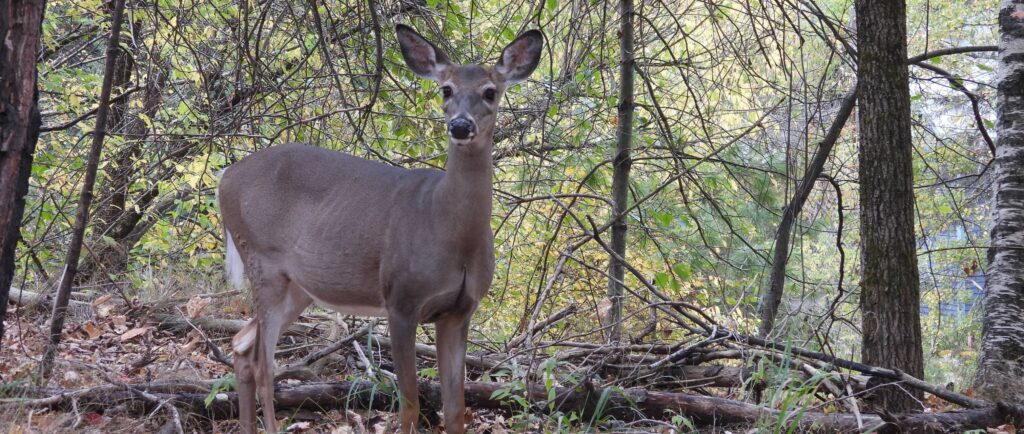
Wildlife can also be affected by drones. Birds and other animals may experience stress or alter their behavior when approached by an aircraft. Never intentionally fly near wildlife, and if you notice any signs of distress or behavioral changes, immediately move away and land your drone.
Responsible Drone Use
Drones have become valuable tools for photography, conservation, scientific research, and emergency response. Researchers use drones to map landscapes, monitor ecosystems, and support search-and-rescue operations. Photographers can capture perspectives that were once only possible from aircraft.
With these benefits comes the responsibility to fly safely, legally, and respectfully. By understanding the regulations, respecting private property, avoiding sensitive habitats, and considering the experience of others, drone operators can help protect the Adirondack Park while enjoying this technology.
Before you fly, always verify the latest FAA and New York State DEC regulations, and be sure you have permission to launch and land from the property where you are operating your drone.